Plant Prefab Site Prep & Utilities: The Pasadena Owner’s Guide
Site prep and utility work for a Plant Prefab unit in Pasadena typically runs $28,000 to $65,000 installed, depending on trenching distance, soil conditions, and whether you’re bringing gas, sewer, and electrical across a flat lot or up a slope. We stock and install Plant Prefab-compatible site prep components and coordinate the utility connections before your modules arrive, so the pad is ready when the truck shows up. Most owners discover a problem two ways: the excavator hits unexpected soil conditions a week before delivery, or the utility stub locations don’t match the Plant Prefab drawings, which delays the crane date. That second one is more common than you’d think, and it’s almost always preventable with a surveyor’s check before concrete goes down.
Benson ADU Pasadena is an independent contractor, not affiliated with Plant Prefab. We work on Plant Prefab projects regularly and know exactly what their modules need from a site prep and utilities standpoint.
Which Plant Prefab Models This Applies To
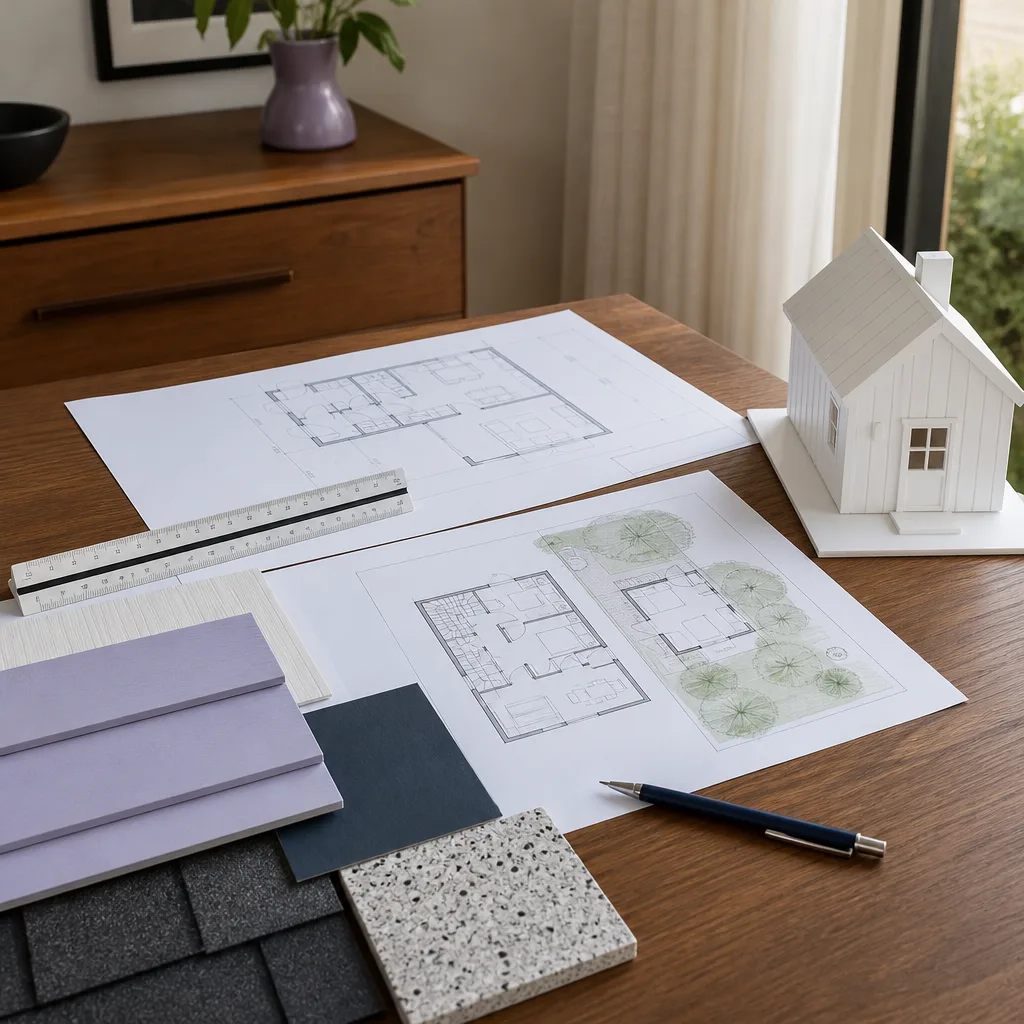
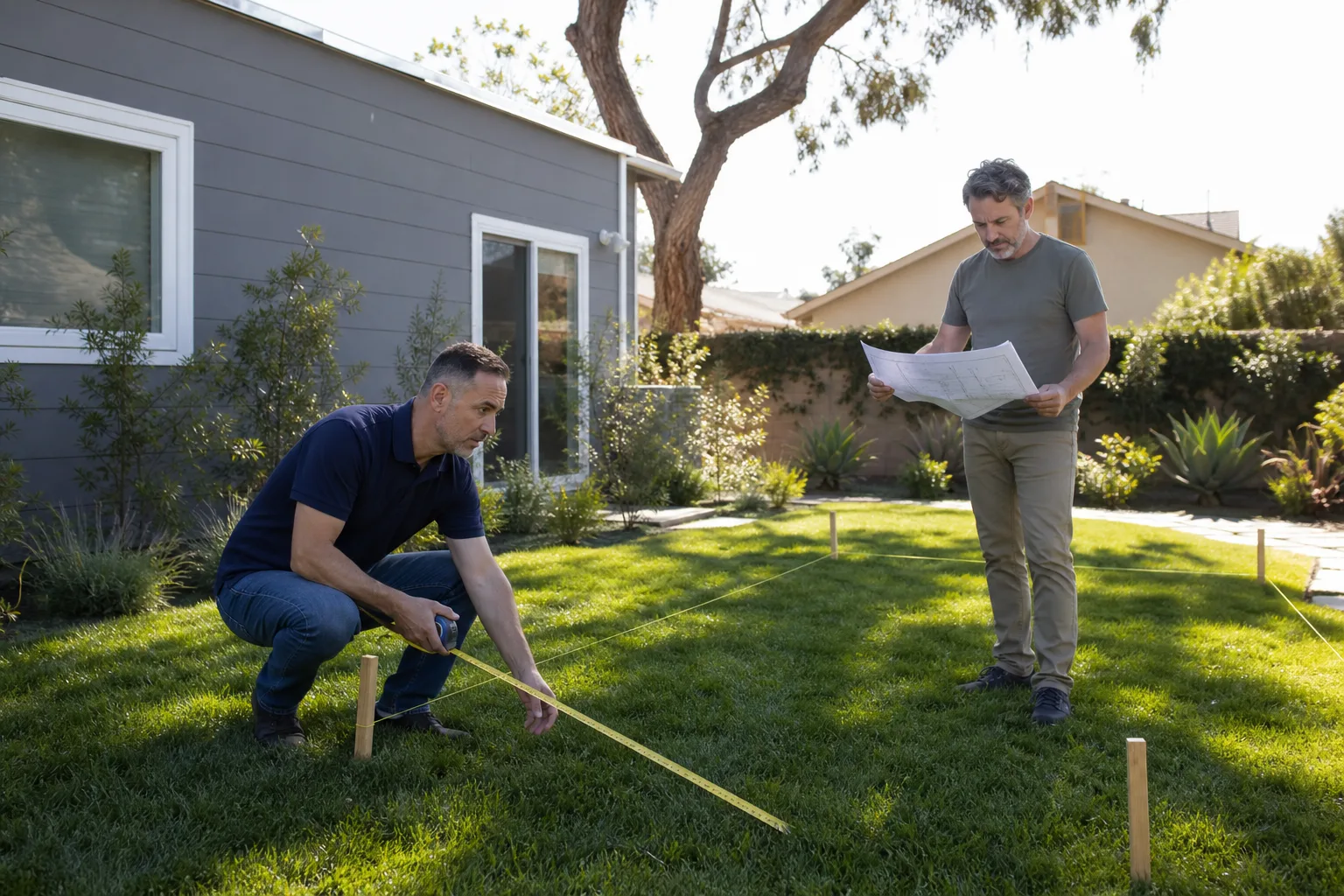
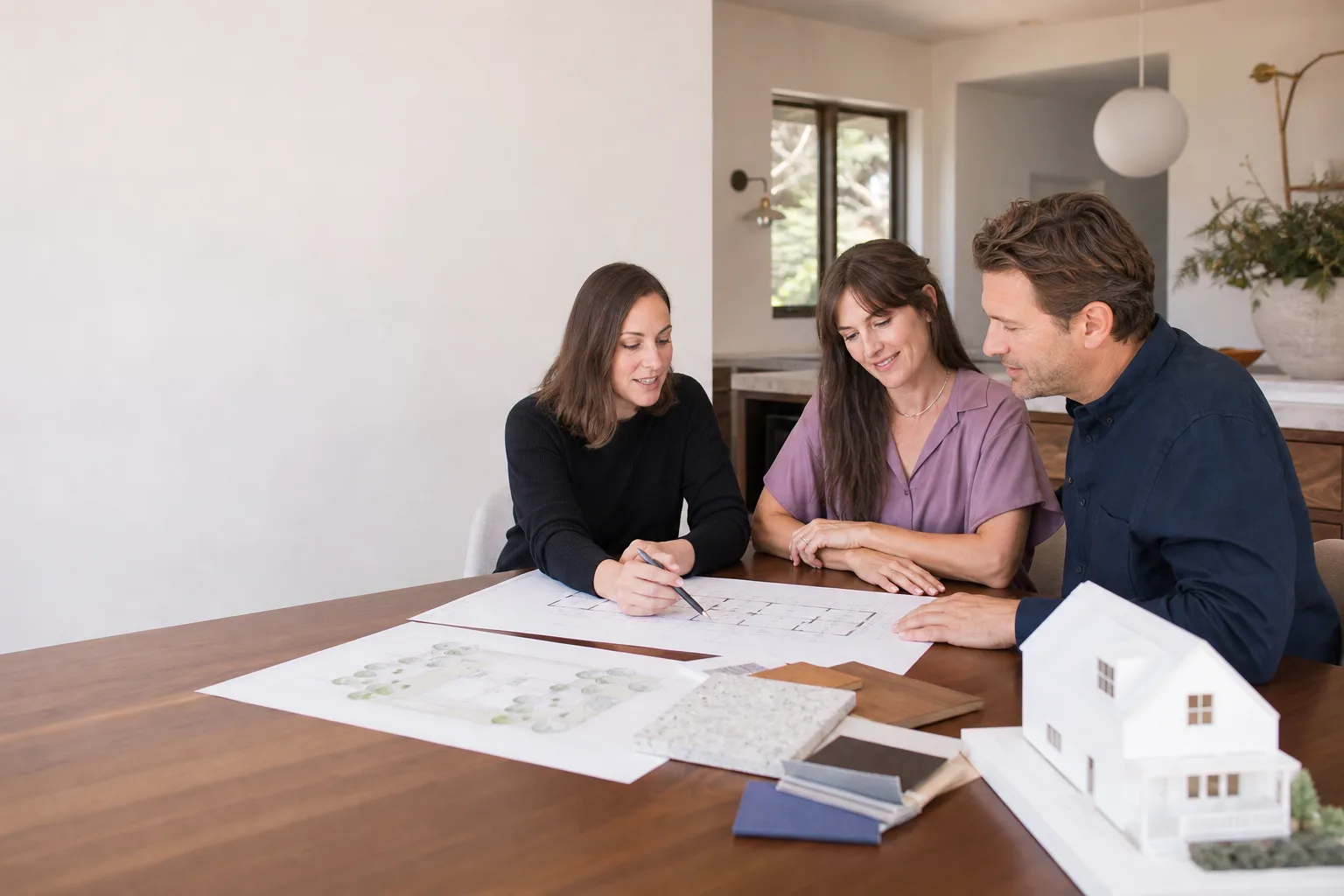
The site prep and utility scope covers every Plant Prefab series we’ve worked with in Pasadena: their standard ADU line, the Passive House series, and the LivingHome models. The key variable isn’t the model name, it’s the utility panel location on the specific module set you ordered. Plant Prefab factory drawings show utility stub locations with a tolerance of roughly 6 to 8 inches, but we’ve seen stubs off by a foot when the foundation crew worked from a preliminary plan instead of the stamped set. Before any trench is dug, match the drawing revision number on your permit package against the revision number stamped on the foundation plan. If they don’t match, stop and call your project manager. A 30-minute phone call saves a $4,000 concrete demo.
For OEM vs. aftermarket components: the site prep side (grading, drainage, retaining, pad) has no OEM equivalent, it’s built to your engineer’s spec. The utility side does have brand-specific parts, mostly around the main panel and weatherhead. Plant Prefab specifies certain panel types on higher-end builds, but for standard ADUs, a quality aftermarket panel that hits the amperage on the drawings is perfectly fine. We’ll flag when the spec sheet calls for something you can’t substitute without voiding a warranty.
Signs Your Plant Prefab Site Prep & Utilities Is Failing
- Water pooling near the pad edge after rain. This points to subgrade compaction issues or a drainage swale that wasn’t cut to the finished grade on the civil plan. In Pasadena’s winter rain bursts, poor drainage around a prefab pad causes soil settlement within the first two seasons.
- The temporary power pole is leaning or the weatherhead looks pulled away from the mast. Wind exposure on an open lot, plus utility line tension, loosens the mast over time. If the mast separates, you lose the temporary service line and the utility won’t restore power until it’s fixed.
- Sewer cleanout bubbling or slow-draining fixtures during module testing. That’s almost always a back-pitch in the lateral run, often from trench settling between the house and the main line. Pasadena’s clay-heavy soil expands and contracts, and a shallow trench without proper bedding will shift within a year.
- Concrete pad cracking at the anchor bolt locations. This shows the bolts were set before the bolts layout was verified against the module drawings. Once the crack forms, you’re looking at epoxy anchoring or a partial repour.
- The gas stub is 2 inches off from the appliance inlet in the module. It sounds minor, but a misaligned gas line means a reroute or flex-line workaround that the inspector will flag. It delays final sign-off and adds a change order no one budgeted for.
Replacement Cost & What’s Included
If you’re correcting failed site prep or utility work on an existing Plant Prefab project in Pasadena, here’s what we’re seeing on real jobs over the past two years:
- Drainage correction (regrade + swale + compact subgrade): $3,800 to $8,500 depending on linear feet and whether we’re removing and replacing concrete.
- Sewer lateral repair or reroute: $4,200 to $11,000 depending on depth and whether the trench crosses existing hardscape. Pasadena’s sewer laterals run deeper than most owners expect once you get toward the main line.
- Temporary power mast repair or reset: $1,800 to $3,400 including utility coordination and inspection.
- Utility stub realignment at the pad (gas, water, or sewer): $1,500 to $4,000 per stub, depending on whether concrete cutting is required.
- Full-site prep redo for a standard Plant Prefab ADU pad (grading, form, pour, anchor bolts, compaction): $18,000 to $32,000 when the original work has to be demoed and redone.
Every quote from us includes a written line-item breakdown before work starts, so you know what’s parts, what’s labor, and what’s the Pasadena permit fee. Our 365-Day Done Right Promise covers the work after completion: if something we installed fails within a year, we come back and make it right at no cost. Troy Eastman has been very clear about that promise, and it’s stamped on every project we hand over.
DIY or Call Us?
You can check the obvious stuff: look at the pad after rain for pooling, eyeball the power mast for lean, walk the trench line for sinkage. That’s owner-level diligence and we encourage it. What you shouldn’t do is attempt any correction that involves live electrical, pressurized gas, or sewer line excavation. A gas stub that’s off by a few inches is not a project for a wrench and an afternoon; that’s a trained technician with a gas certification and the inspector’s number on speed dial. Same goes for anything involving the main panel. This isn’t about us protecting our calendar, it’s about not wanting a homeowner to get hurt or fail an inspection because of a fix that doesn’t meet Pasadena’s code. If something looks wrong, call us at (626) 658-3527 and we’ll put eyes on it.
FAQs
Properly done site prep and utility connections should last the life of the home, with drainage components typically needing attention every 15 to 25 years as Pasadena’s clay soil cycles through wet and dry seasons. The pad and utility stub location, if verified correctly and protected from settlement, won’t fail. What fails first is usually the drainage layer, because it absorbs the most weather exposure. Call (626) 658-3527 and we’ll tell you honestly whether your site looks good for the long haul.
Yes, in most cases. A misaligned stub, a sagging trench, or a leaning weatherhead are repairable without tearing out the whole job. Full replacement only makes sense when the pad itself has cracked structurally or the sewer line has collapsed in multiple sections. We’ll scope it and tell you which path makes sense before we quote anything.
A typical utility stub realignment or drainage back-pitch correction is a 2 to 3 day job. Sewer lateral replacement runs 4 to 7 days including city inspection. Full pad demo and repour lands in the 2 to 3 week window with curing time. We’ll give you the timeline in writing along with the price.
We carry the commonly needed utility components: mast kits, weatherheads, gas risers, cleanouts, anchor bolt sets, and the panel hardware we see on Plant Prefab standard ADU builds. For anything specialized, we source it within a couple of days through our supplier network, which also handles parts for Abodu, Cover, and Dvele projects. If you’re not sure whether we have it, call and we’ll check the truck.
Written by Troy Eastman, Owner, Benson ADU Pasadena at Benson ADU Pasadena, serving Pasadena and nearby areas.