James Hardie Site Prep & Utilities: The Pasadena Owner’s Guide
If your James Hardie siding project is stalled because the ground isn’t graded, the trench isn’t dug, or the utility stub-outs aren’t where they need to be, we stock the site prep materials and handle the utility work that gets your Hardie installation back on track. Most Pasadena homeowners pay between $1,800 and $6,500 for the site prep and utility work that precedes a James Hardie siding or trim replacement, depending on slope, soil, and how far the utilities need to move. You’ll notice this part of the project has failed when water pools against your foundation after rain, when the gas or electrical lines sit in the wrong spot for your new Hardie-finished wall, or when a termite-damaged sill plate means the whole first course of siding has nothing solid to fasten to.
Here’s what we’ve learned doing this work across Pasadena: the siding itself is rarely the first failure point. It’s the ground under it, the drainage beside it, and the utility lines buried where nobody thought about them until the Hardie panels were ready to go up.
Key Takeaways
- Site prep and utility work for James Hardie projects in Pasadena typically runs $1,800 to $6,500 installed.
- We stock the common trenching, grading, and drainage materials on our trucks, so most prep jobs start within days of your written estimate.
- Every job gets a written price before work starts, and it’s covered by the 365-Day Done Right Promise.
- We’re an independent contractor, not affiliated with James Hardie. We do, however, work with Hardie products every week and know exactly what their installation specs require for ground clearance and moisture management.
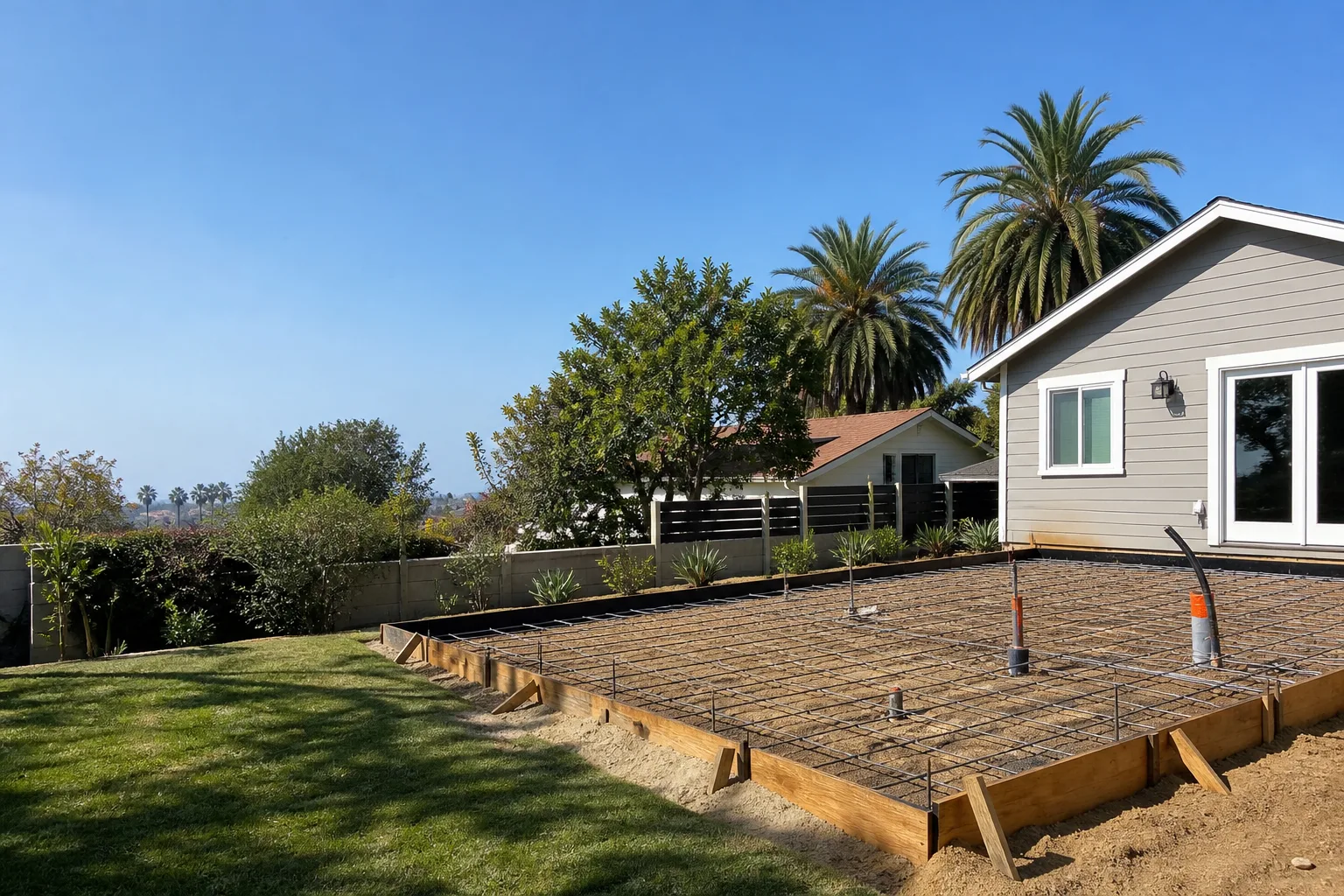
Benson ADU Pasadena also spec and install site prep for ADUs and home additions built with prefab systems from Abodu, Cover, and Dvele, so we’re comfortable with the full scope of what’s under and around a structure before the cladding goes on.
Which James Hardie Models This Applies To
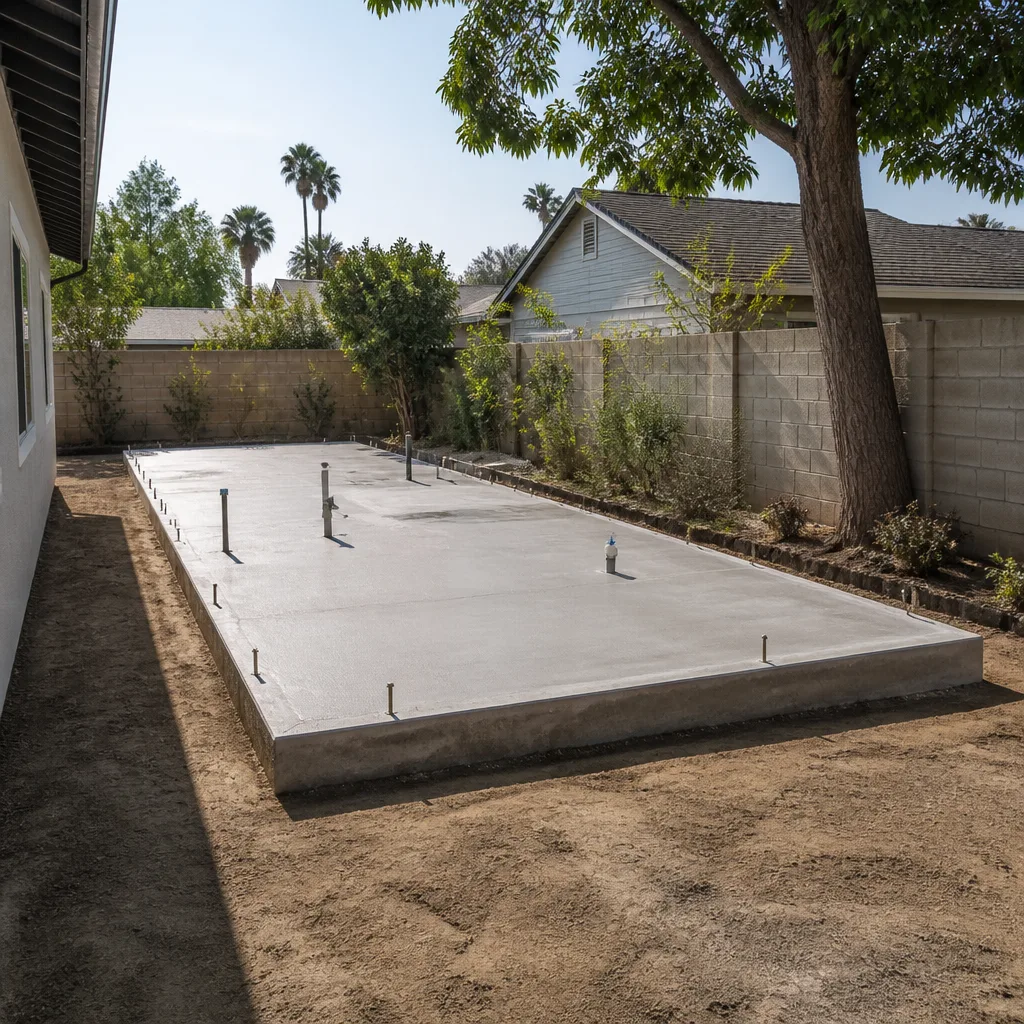
Site prep and utility considerations apply to every James Hardie product line: HardiePlank lap siding, HardiePanel vertical siding, HardieShingle, HardieTrim boards, and HardieSoffit. The ground clearance spec stays the same across all of them: Hardie requires a minimum 6-inch gap between the bottom edge of the siding and finished grade, and 2 inches above paved surfaces like walkways or patios. If your existing grade sits higher than that, water wicks into the bottom course and the paint starts blistering within two or three Pasadena winters. That’s the number-one site prep failure we correct.
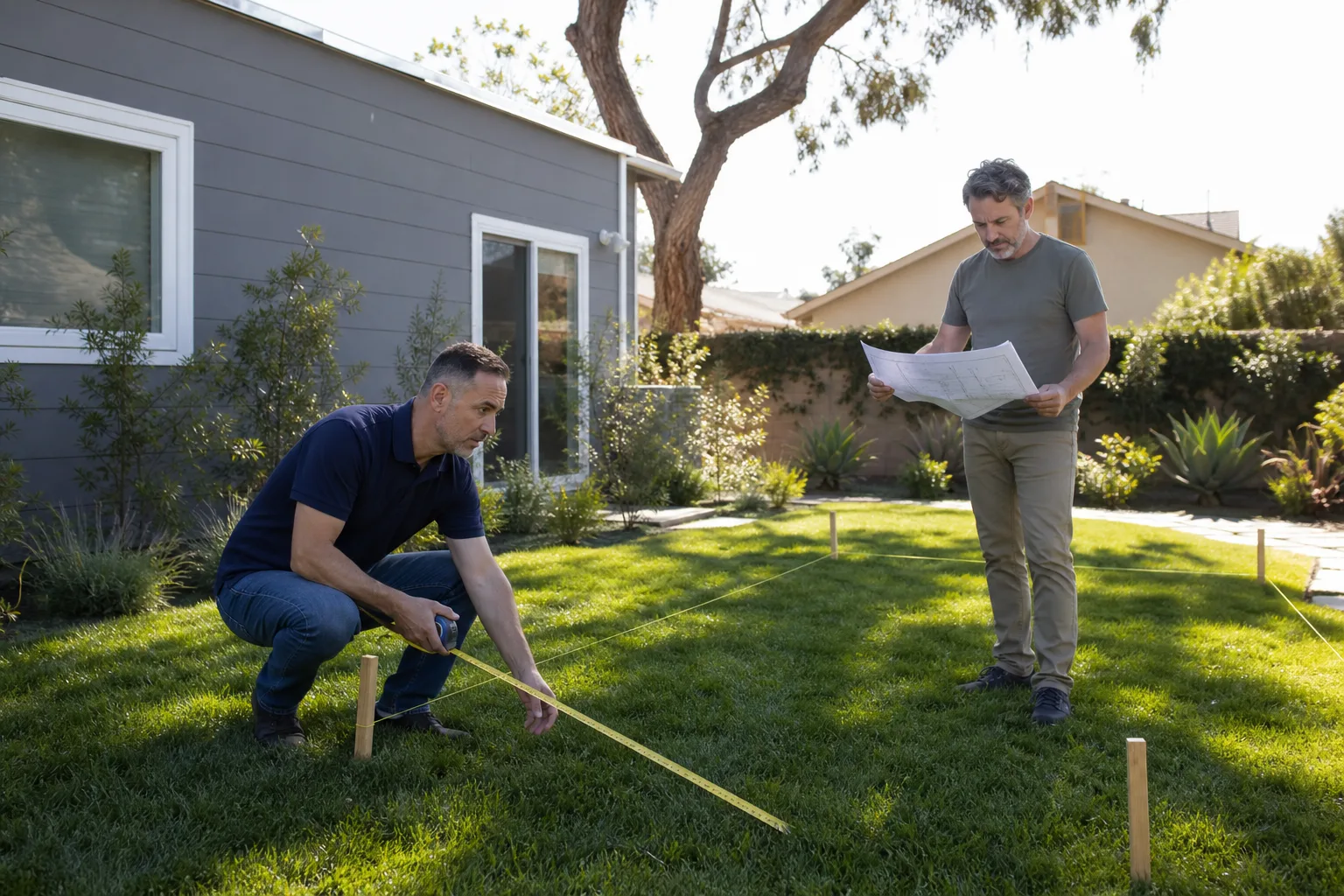
Identifying the right prep work for your situation starts with a tape measure and a look at what’s underground. Check the measurement from the bottom of your existing siding to the soil. Check where your hose bibs, gas risers, and electrical conduits exit the wall. If any of them will be buried behind a new Hardie panel, or if the new panel will sit too close to the ground, that’s a utility relocation or regrade job. For the materials themselves, we install genuine James Hardie products when the project calls for them, and we’ll walk you through the OEM-versus-aftermarket conversation honestly. Hardie’s trim boards, for example, come in specific widths and thicknesses (5/4 and 4/4 stock, in 3.5-inch to 12-inch widths for most profiles). A generic fiber cement board from the lumberyard is not the same product and won’t carry the same 30-year limited warranty.
One compatibility gotcha we see often in Pasadena: older homes near the Arroyo Seco or in the hills often have original stucco or wood siding that met code in the 1940s or 1950s but sits at or below current grade. When we pull that old material and install Hardie, we almost always have to regrade the perimeter or add a drainage swale to meet the 6-inch clearance. Budget for it. It’s not a surprise we spring on you later because it’s in the written estimate from day one. Get it in writing before the ground moves.
Signs Your James Hardie Site Prep & Utilities Is Failing
- Water staining or peeling paint on the bottom 6 inches of your Hardie siding. This is the classic symptom of insufficient ground clearance. Soil that sits too high forces water against the weep line and wicks moisture up into the panel edge. In Pasadena’s wet winters, this repeats every storm cycle until the board swells and delaminates.
- Standing water or mud splashing against the bottom course of siding. No gutter, a downspout that dumps right at the foundation, or bad grading means every rainstorm blasts the bottom of your Hardie with debris. Siding rated for 30 years can look tired in five if it’s getting power-washed by roof runoff every winter.
- Utility conduits, gas lines, or hose bibs in direct contact with the siding. Hardie won’t melt like vinyl, but a gas riser that touches the panel, or a hose bib frozen in place where the new trim needs to land, means the utility has to move. We see this constantly on older Pasadena homes where utilities were surfaced decades ago before anyone planned for modern cladding.
- Rotted sill plate or rim joist behind the bottom Hardie course. The siding didn’t fail, the framing did. Termites and moisture got into the untreated wood because the original moisture barrier was missing or the grade was wrong for years. New siding won’t fix it until the structural repair and regrade happen first.
- Cracks in the soil pulling away from the foundation edge. Pasadena’s clay-heavy soils shrink and swell dramatically between wet winters and hot dry summers. That movement opens a gap at the foundation, water follows, and the bottom edge of your Hardie is the first thing to suffer. A compacted, sloped grade with proper drainage line installation fixes this before the next rainy season.
Replacement Cost & What’s Included
Here’s the breakdown for Pasadena homeowners, because you should know the ballpark before you tap call:
- Regrading and drainage correction: $1,800 to $4,200, depending on the linear footage of foundation wall and whether we’re hauling out soil or bringing in compacted fill.
- Utility relocation (hose bibs, electrical, gas riser stubs): $600 to $2,400 per utility, depending on how far it moves and whether we’re coordinating with the utility company or a licensed sub for gas work.
- Sill plate or rim joist repair before Hardie install: $900 to $3,000, based on how much framing has to be replaced and whether termite-damaged sections extend into the floor system.
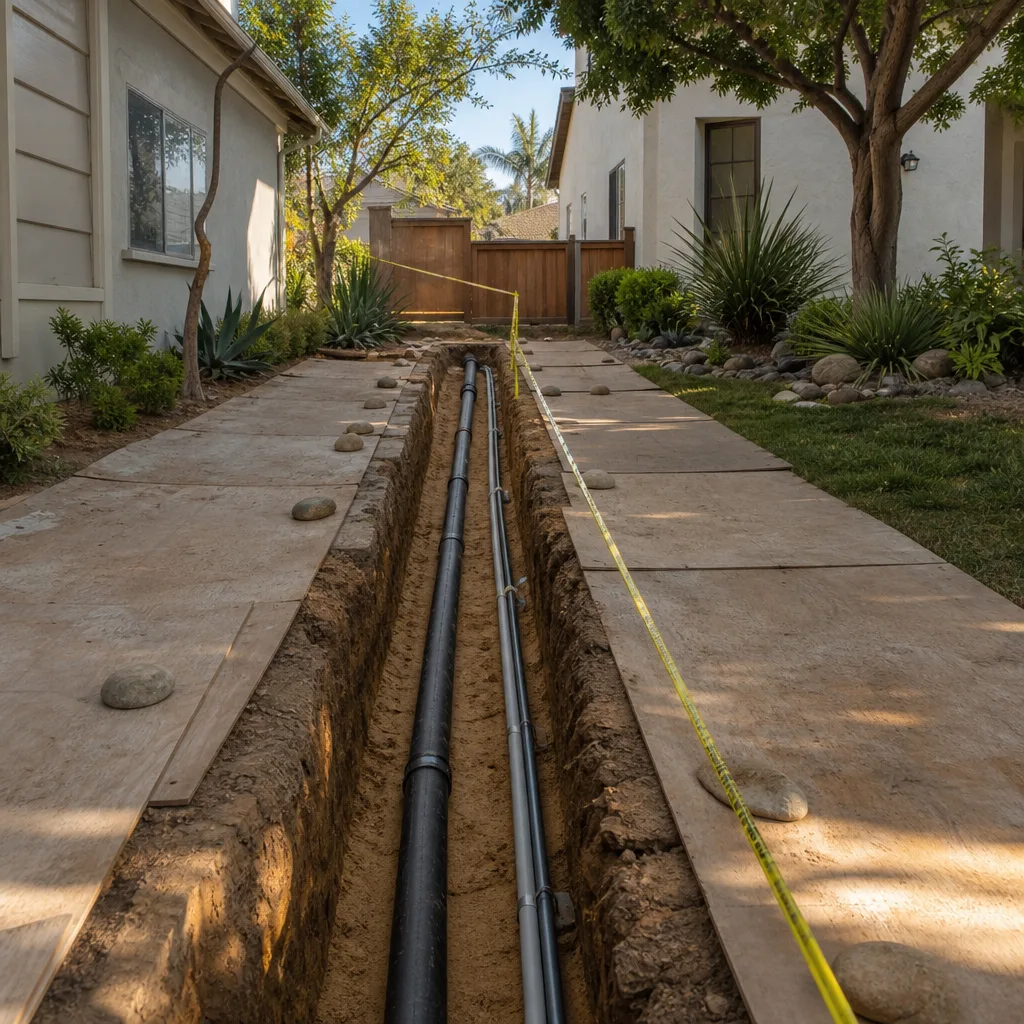
- Trenching for drainage lines or French drains: $1,500 to $4,800, based on trench length and depth. Pasadena’s hardpan and rock pockets around the San Rafael Hills can slow trenching and add cost.
- Full site prep package for a Hardie re-side (regrade, drainage, utility adjustments): $4,000 to $6,500 on an average 1,200-square-foot Pasadena home.
Every estimate includes parts and labor in one written line-item price. No change orders because we guessed wrong, no “we had to dig further” phone calls after work starts. We put the number on paper, you sign it, and that’s the price. The work is covered by the 365-Day Done Right Promise, which means if anything we did isn’t right within a full year, we come back and make it right at our cost.
DIY or Call Us?
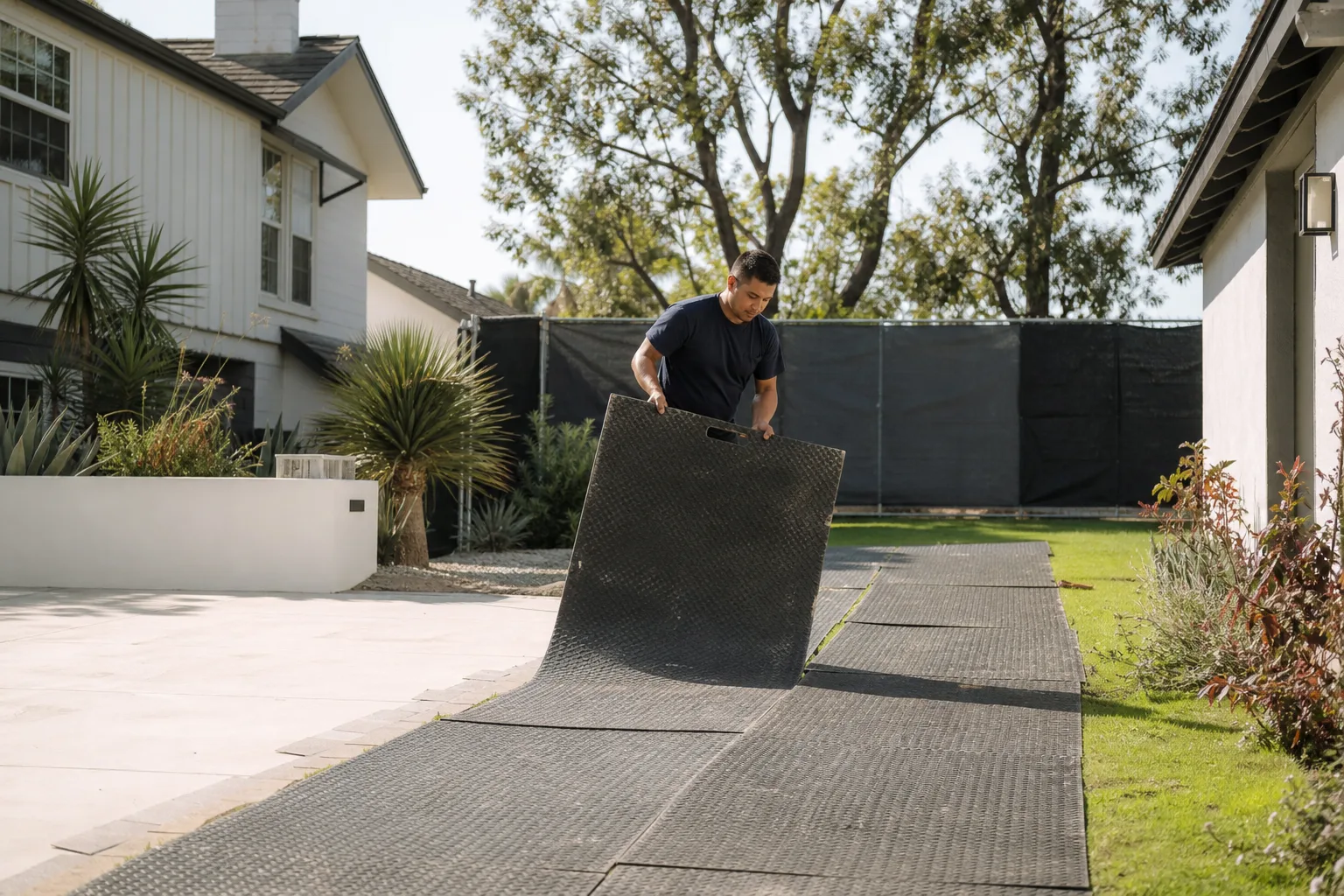
You can safely check the grade around your foundation with a tape measure and a level. You can check where your downspouts discharge and whether water pools near the house. You can look at your gas riser and hose bibs and note whether they’ll conflict with new siding. What you shouldn’t DIY is anything involving gas line movement, electrical conduit relocation, or structural sill plate work. Gas and electrical work in Pasadena requires permits, licensed trades, and inspections, and a mistake there is not a caulk-and-paint fix. Even the trenching looks simple until you hit a root system from a 60-year-old oak or an unmarked irrigation line, and then you’re renting a bigger machine and hoping the day doesn’t get worse. Call us at (626) 658-3527 and we’ll give you a written price to handle the prep and utilities correctly, with the guarantee on paper before anything goes in the ground.
FAQs
Done correctly, with proper compaction, drainage, and the 6-inch clearance maintained, the site prep work should last as long as the siding itself, which in Pasadena’s climate realistically means 25 to 35 years for James Hardie fiber cement before you’re looking at a repaint or replacement. The failure we see most often within five years is DIY-grade drainage that erodes in the first two rainy seasons or backfill that settles and drops the grade right back to where it started. Call (626) 658-3527 and we’ll tell you exactly what your foundation perimeter needs to hold up long-term.
Sometimes yes, sometimes no. If the issue is a single low spot or a downspout that needs to discharge farther from the house, we can usually do a surgical fix for a few hundred dollars. If the entire perimeter has settled, the soil is hydrophobic clay that sheds water instead of absorbing it, or the utilities are all in the wrong place, a full correction is cheaper in the long run than piecing it together. We’ll tell you which one you have after a site visit, and the visit comes with a written quote either way.
Most Pasadena homes take two to five working days for the full site prep package, including regrading, drainage, and utility adjustments, assuming permit processing for any gas or electrical work is already underway. Trenching in rocky soil, like the areas around the Arroyo Seco and the hillside lots below the San Gabriel Mountains, can add a day or two. We include a timeline in the written estimate so you know what to expect before work starts.
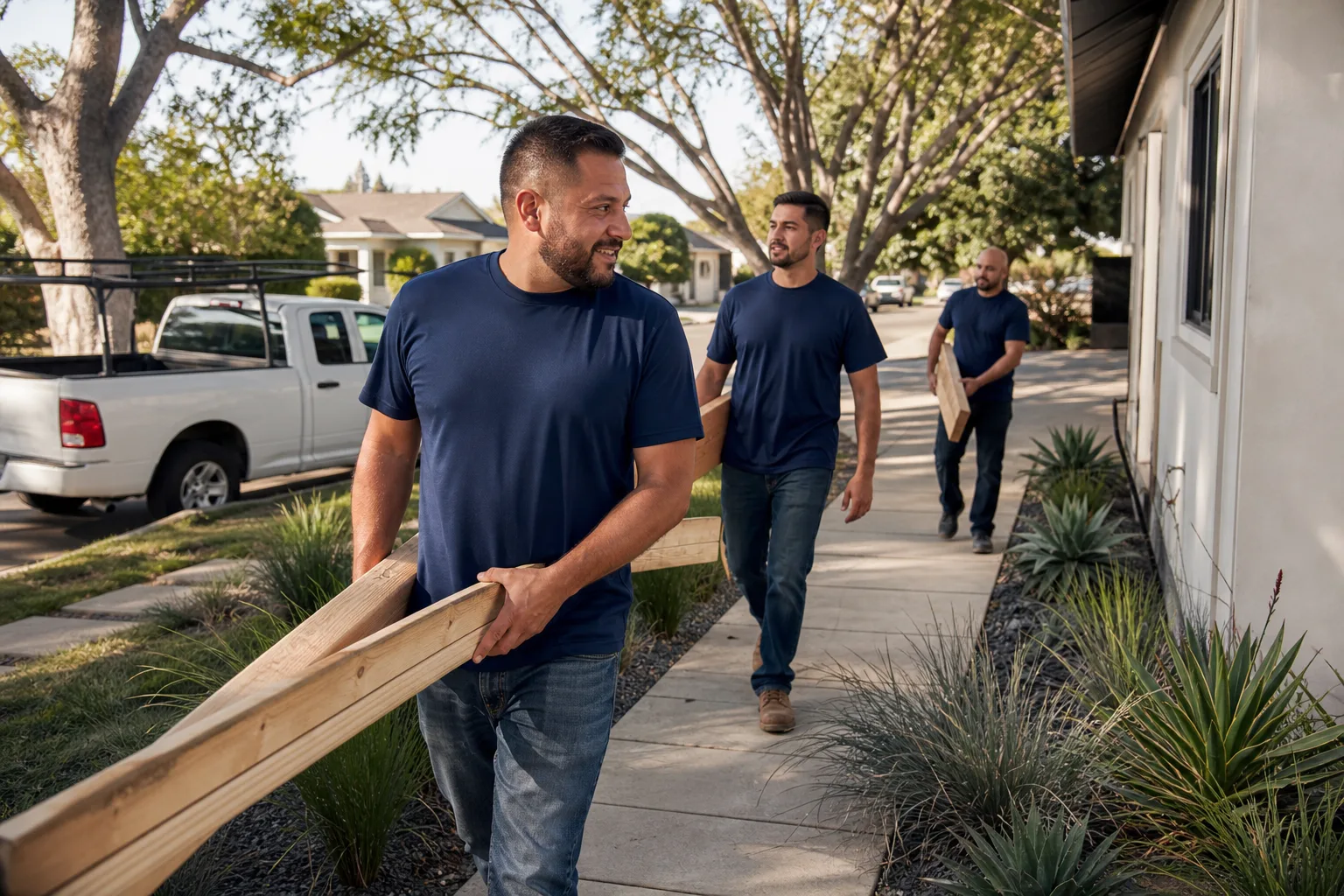
We stock the common materials on our trucks and trailers: drainage pipe, gravel, fill material, grade stakes, moisture barrier, and the treated lumber for sill and rim repairs. For James Hardie-specific products like their trim boards and panels, we order direct from regional suppliers and can typically have them on site within a few business days. You won’t need to source anything yourself, and every material is itemized in the written quote before you approve the job.
Written by Troy Eastman, Owner, Benson ADU Pasadena at Benson ADU Pasadena, serving Pasadena and nearby areas.